
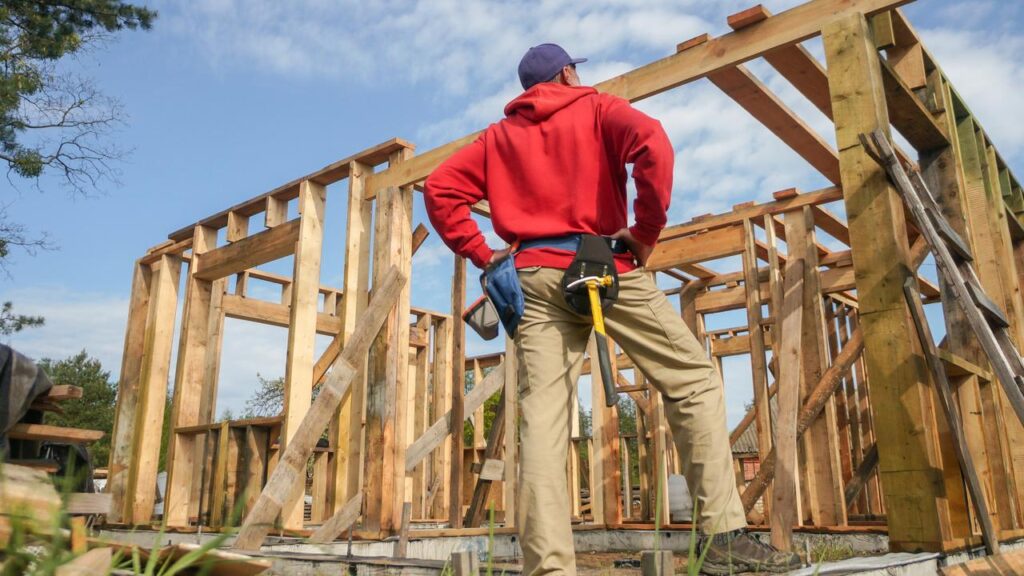
The target is written down. 1.2 million new homes by mid-2029, agreed between the federal government and the states under the National Housing Accord. It is central to the government’s strategy to fix a housing shortage that has been deepening for years.
The problem is a target does not swing a hammer. Workers do. And right now, Australia does not have enough of them.
The Gap Between What Is Promised and What Is Getting Built
The country is already behind. The National Housing Supply and Affordability Council’s latest quarterly report forecasts the 1.2 million target will not be reached until the end of 2030, eighteen months past the original deadline.
New dwelling commencements fell 11.2 percent in the first quarter of 2026 compared to the previous quarter. Apartment construction dropped 20.7 percent. Building approvals are up. Actual starts are not keeping pace.
Why the Construction Workforce Cannot Keep Up
This is the part most political commentary skips over. The housing target does not exist in a vacuum. It is competing for the same trades against every other major construction programme running in the country simultaneously.
The Numbers Are Stark
- Infrastructure Australia projects a national construction workforce shortfall of 300,000 workers by mid-2027
- Peak workforce demand is expected to hit 521,000 workers, up from a previous forecast of 417,000
- The shortage of trades workers and labourers specifically is projected to peak at 126,000
- Housing Minister Clare O’Neil has stated 90,000 additional workers are needed for residential construction alone
- Every single construction trades occupation tracked by Jobs and Skills Australia is currently classified as being in national shortage
That last point matters. It is the only industry where that is true across the board.
Where the Workers Are Going Instead
Housing construction is competing against data centres, defence projects, Brisbane Olympic infrastructure, metro rail in Sydney and Melbourne, and energy transition builds across every state. Large government-backed or globally funded projects outbid residential builders on wages, tenure, and conditions. Smaller housing contractors lose that competition quietly and consistently.
When a hyperscale data centre project locks in electricians for 18 months at premium rates, those workers are gone from the housing market for that entire period. Multiply that across dozens of major projects and the available pool for residential work shrinks fast.
Regional Areas Are Where It Gets Worse
Australia does not just have a construction workforce shortage. It has one that is structurally worse outside the capitals.
The People Who Build Homes Have Been Leaving Regional Communities
The workers most needed to deliver housing in regional areas are the 25 to 40 year olds who have been steadily moving to cities for years. The pipeline of work exists in the regions. The people to deliver it largely do not. Regional workforce gaps are forecast to approach 181,000 by 2027.
We are asking the wrong people, in the wrong places, to deliver the right amount of housing.
What This Is Doing to Build Costs and Timelines
Construction costs rose two percent in the June quarter of 2026 alone and are now 51 percent higher than pre-pandemic levels. Labour is the primary driver.
When trades are scarce:
- Rates climb as contractors compete for the same workers
- Project margins compress as labour costs eat into fixed-price contracts
- Developers pull back from new starts
- Timelines stretch as sites sit partially staffed
What Construction Businesses Can Actually Do About It
The long-term answer involves training pipelines, apprenticeship reform, skilled migration pathways, and licensing changes. Industry leaders are pushing for exactly that.
The short-term answer, for contractors who need workers now, is different.
Stop Hiring Reactively
The businesses staying on schedule are the ones who locked in workforce partnerships before their projects started, not after. By the time a project kicks off and a contractor begins searching for labour, the available pool has already been absorbed by whoever planned earlier.
Reactive hiring in this market means paying more for whoever is left. Planning ahead means access to pre-screened, site-ready workers before the urgent need hits.
Match the Employment Model to the Phase
Residential building has distinct phases. Not every trade is needed on site at the same time. Labour hire gives contractors the flexibility to bring in the right people for the right phase without carrying permanent headcount through the gaps between them.
Understanding when labour hire makes more sense than permanent recruitment is worth knowing before a project starts, not partway through when the schedule is already under pressure.
The Target Is Real But The Workforce Problem Is Realer
The 1.2 million homes target is not going away. Demand is not going away. The housing shortage driving that demand is not going away. What has to change is how the industry sources and manages the people who actually build.
Labour Connect supplies vetted, work-ready workers across construction, engineering, warehousing and logistics, and manufacturing through labour hire and permanent recruitment. The pipeline exists before you call.
Contact Labour Connect today and let us help you keep building while others are still searching for workers.

